 XTRSLAB
Work for a team of historians, done by AI.
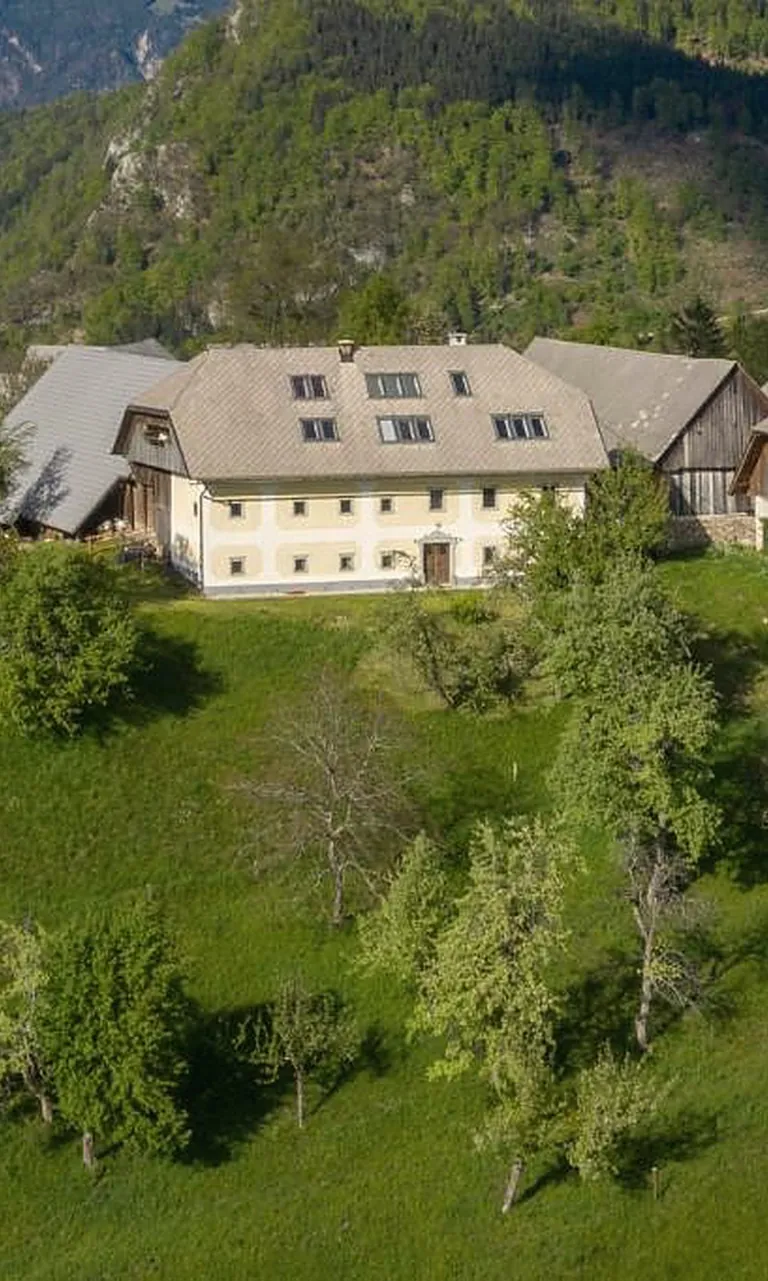
Krničarji iz Laz is a research project about one alpine farm in Laze, Slovenia, and the 347 years of family papers that survived in it.
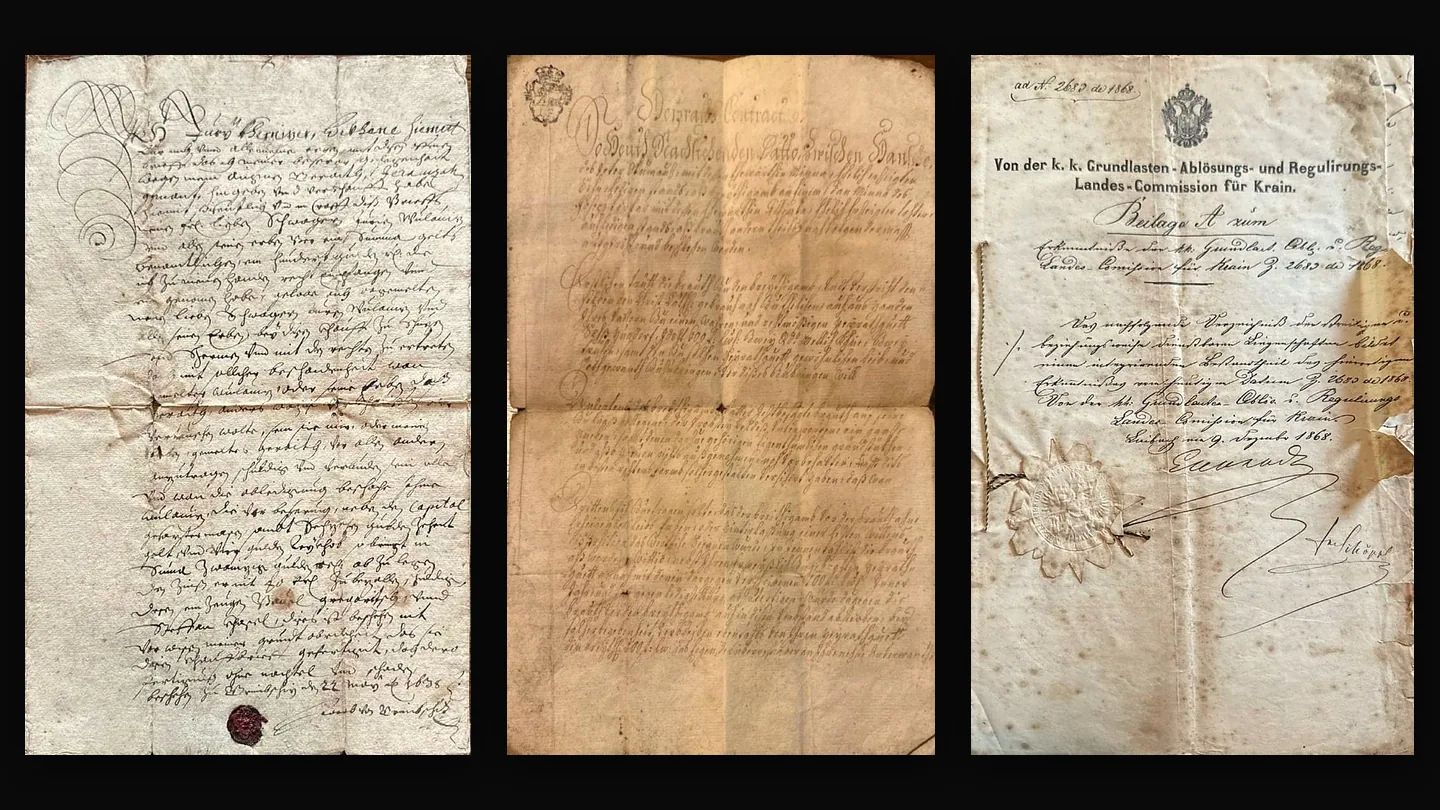
Deeds, marriage contracts, court rulings and letters, written in Kurrent, Church Latin, old Slovene and German. Research like this normally needs a whole team of experienced historians. Here, an AI pipeline did it faster, at a fraction of the cost, and with every fact tied to a source.
Watch the documentaryWatch the documentary.
Nine minutes on why the project began, how AI read three centuries of handwriting and what the papers revealed.
The work of a whole team.
Archives like this normally need specialists in palaeography, Latin, old German script, old law and parish registers. The AI pipeline covered all of them.
Scan and sort
170 documents, from 1636 to 1983, scanned straight into Google Drive. ChatGPT renamed and sorted every file as it landed.
Read every line
Sub-agents on Gemini Argon and Gemini 3.8 Flash transcribed each scan into structured Markdown, together with the parish registers of Gorje and Bled back to 1634.
Research and verify
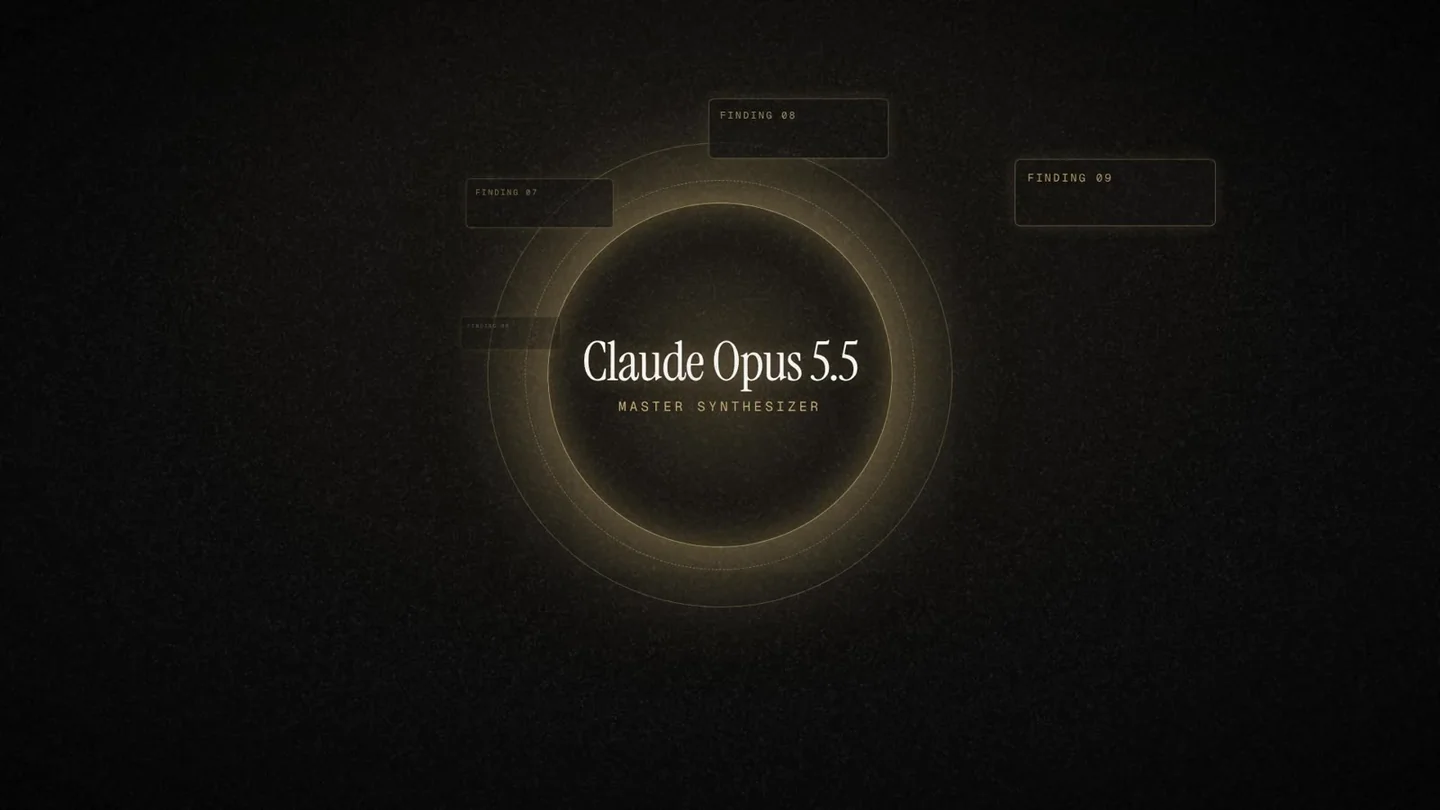
ChatGPT, Gemini and Claude researched in parallel. Claude Opus 5.5 merged the results, kept only what the sources prove and marked every hypothesis as one.
What it uncovered.
Seven generations on one farm, through serfdom, an empire, a kingdom, an occupation and socialism.
1636, the first voice
Jurij Khernisser sells a forest clearing for one hundred guilders and writes in the first person: I, Jurij Khernisser, acknowledge.
1859, the forest
Sixty villagers confront a commission in the woods. Thirty eight men are investigated for insurrection. In October, the case is dropped.
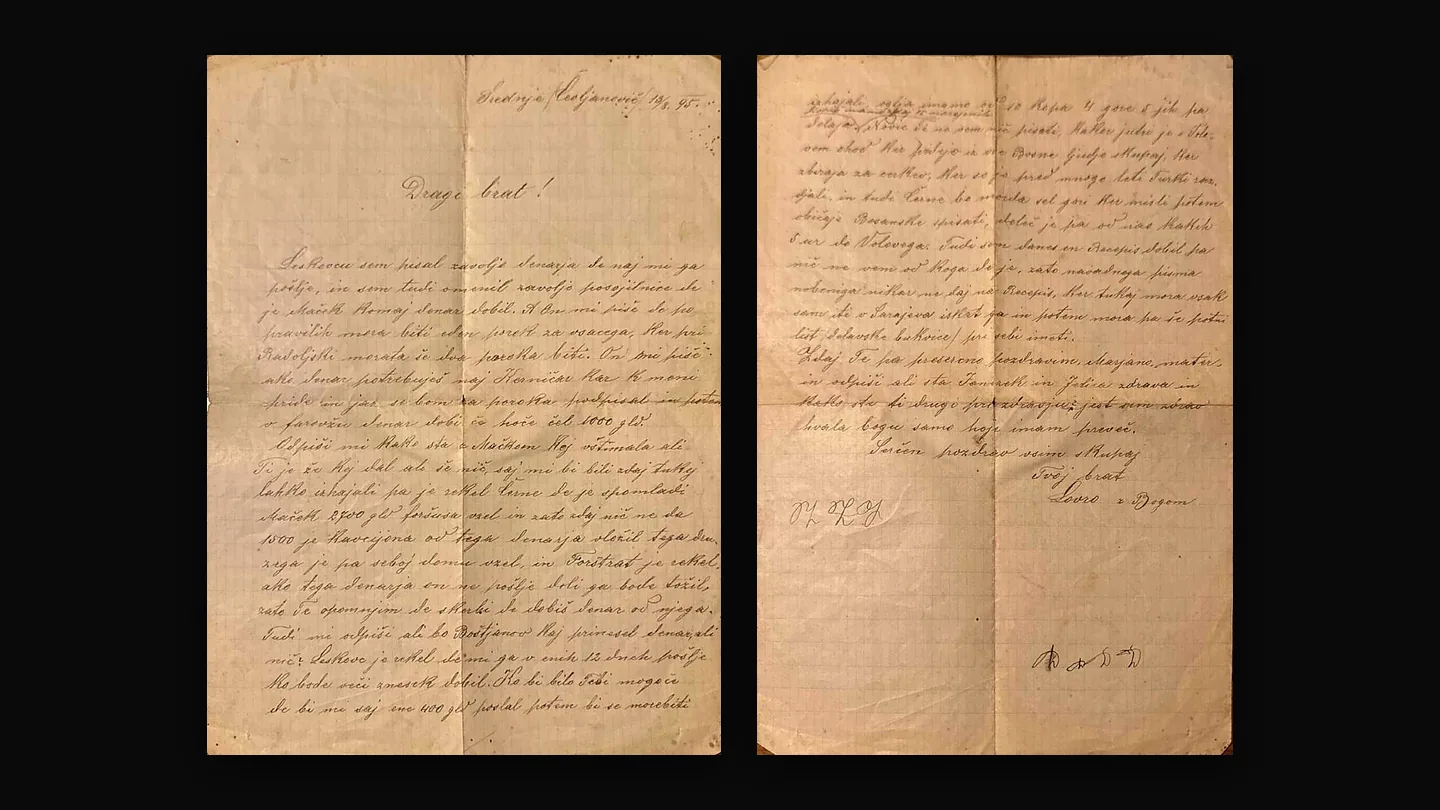
1895, a line from Bosnia
Lovro, a charcoal burner near Sarajevo, writes home about money and work. At the end, in his own hand: are Janezek and Jelica healthy?
Faster. Cheaper. Precise.
What this project shows about AI and historical research.
Faster
Reading, transcribing and researching an archive of this size is long work even for specialists. The pipeline did it in a fraction of the time.
Cheaper
No team of palaeographers, archivists and historians. One person, a scanner and a set of AI models.
Precise
Every important reading, every name, date and age, was checked again against enlarged images of the originals.
A closer look
What is Krničarji iz Laz?
A research project that reconstructed seven generations of the Škumavc family and their farm, the Krničar house in Laze near Gorje, from 1636 to 1983, using AI models and the original documents.
Which AI models did the work?
ChatGPT sorted and renamed the scans. Gemini Argon and Gemini 3.8 Flash transcribed them. ChatGPT, Gemini and Claude researched in parallel, and Claude Opus 5.5 synthesized the results.
How do you know nothing was invented?
Every claim points to a document. Hypotheses are labelled as hypotheses, where the sources are silent the research says so, and where they disagree it explains why.
Could this work for other archives?
Yes. Nothing in the pipeline is specific to one family. Any collection of scanned historical documents can go through the same steps.
What is in the documentary?
A nine minute film about why the project began, how the archive was read and checked, and what seven generations of papers revealed. Animated documents, maps and AI reconstructions of key scenes are labelled as such.
Built by Nik Bogataj. Explore projects · GeoTest · Matika · Krničarji iz Laz · AI films
About the sources
The research is based on the family archive of the Krničar house and on the parish registers of Gorje and Bled from Matricula Online. Out of respect for living memory, no photographs of people from the last 120 years are shown.
What else could AI uncover?
No archive left silent in a drawer.
Explore all projects